
What Is the Mimosa Hostilis Tree?
The Mimosa hostilis, also known botanically as Mimosa tenuiflora, is a fast-growing, perennial tree native to regions of South America and parts of Central America. Highly valued for its hardy nature and distinctive appearance, this tropical tree thrives in arid and semi-arid climates. If you’re searching for authentic Mimosa hostilis for cultivation, landscaping, or botanical interest, proper identification is essential.
Key Identification Features
1. Tree Size & Growth Pattern
Mimosa hostilis typically grows between 15–26 feet tall, forming a spreading, umbrella-like canopy. It is known for its rapid growth and strong resilience in dry conditions. The trunk often appears slightly twisted, with multiple branching stems.
2. Bark Characteristics
One of the most recognizable features is its dark reddish-brown inner bark beneath a rough, grayish outer layer. The bark texture is fibrous and rugged, often used as a primary identification marker.
3. Leaves
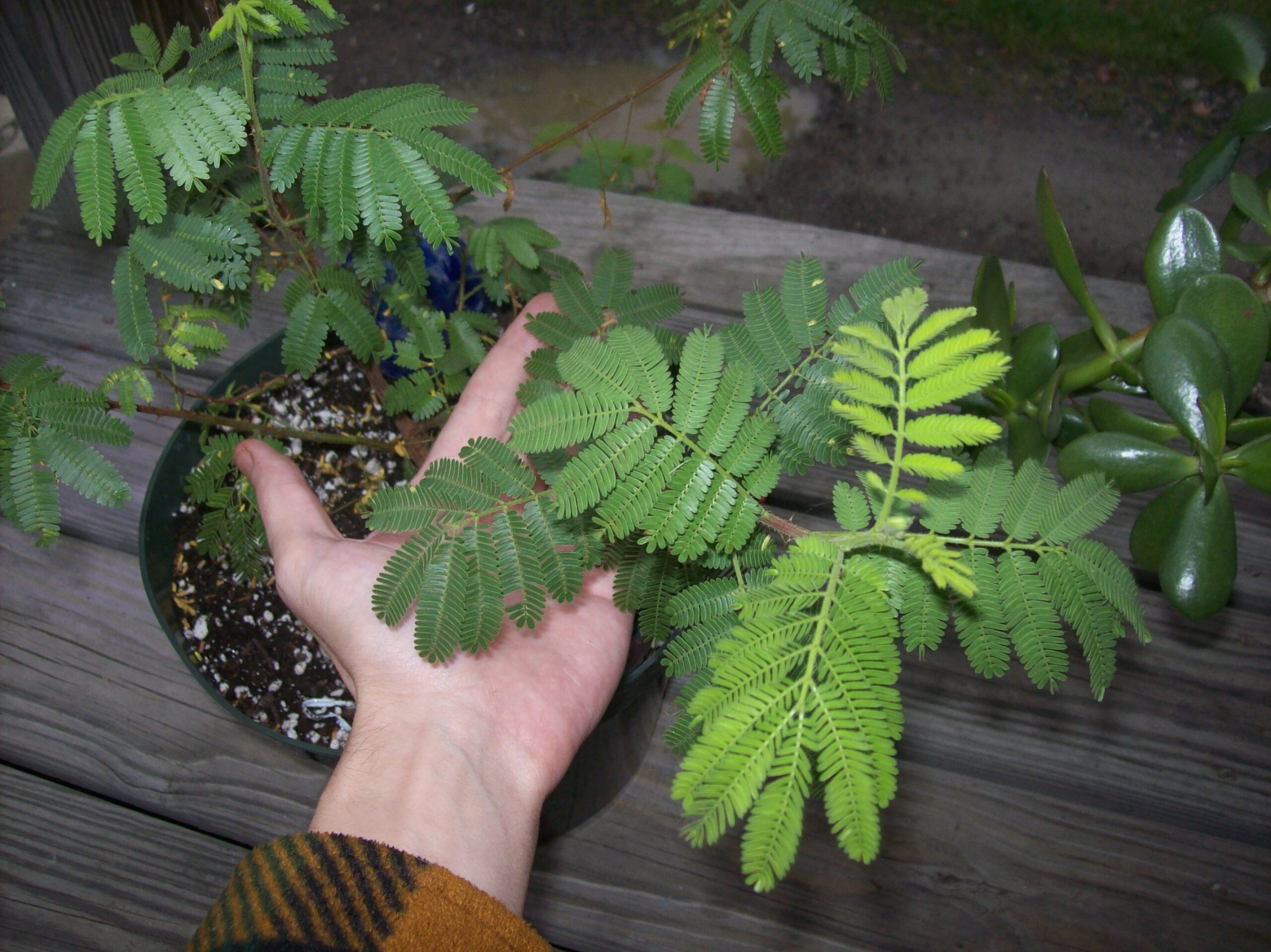
The tree produces delicate, fern-like bipinnate leaves, giving it a soft and feathery appearance. Each leaf contains numerous small leaflets arranged symmetrically along thin stems, creating a lush green canopy during the growing season.
4. Flowers
During blooming periods, Mimosa hostilis displays fragrant, fluffy white to pale yellow flower spikes. These cylindrical blossoms are highly aromatic and attract pollinators, enhancing its ecological value.
5. Thorns & Seed Pods
The branches commonly feature small curved thorns, and after flowering, the tree develops flat, brown seed pods containing several seeds.
Habitat & Growing Conditions
This drought-resistant tree thrives in well-drained soil, full sun exposure, and warm climates. It is often found in savannas, dry forests, and tropical regions. Its deep root system helps prevent soil erosion, making it a popular choice for reforestation projects.
Why Accurate Identification Matters
Correctly identifying Mimosa hostilis ensures you obtain a genuine specimen for cultivation or research. With its unique bark color, feathery leaves, fragrant flowers, and hardy growth pattern, this remarkable tree stands out among tropical species.
If you’re seeking authentic Mimosa hostilis seeds or live trees, understanding these identifying characteristics will help you confidently select high-quality, true-to-spec specimens.